


Inflation may have cooled in some areas, but it has not disappeared. Interest rates remain unpredictable, geopolitical tensions continue to affect markets, and confidence in traditional financial systems still shifts quickly.
That is why many investors in 2026 are asking the same question:
Is gold still worth investing in, or is it already too late?
Gold has long been seen as a safe-haven asset. It is associated with stability, scarcity, and long-term wealth preservation. But despite its reputation, many people still do not fully understand how investing in gold works, what options exist, and whether it makes sense in today’s economic environment.
This guide explains everything clearly, from the basics of physical gold investment to the main benefits, risks, and common mistakes to avoid.
What Is Gold Investment
Gold investment means allocating part of your capital to gold as a way to preserve value, diversify your portfolio, or protect against economic uncertainty.
Unlike fiat currencies, gold has qualities that make it attractive to long-term investors:
It is finite and cannot be printed
It is recognized and traded globally
It is independent of any single central bank or government
It has historically acted as a store of value during periods of instability
For many investors, gold is not about speculation. It is about financial resilience.
The Main Ways to Invest in Gold
There are two main ways to gain exposure to gold: physical gold and paper gold.
1. Physical Gold
Physical gold is the most direct form of ownership. It typically includes:
Gold bars
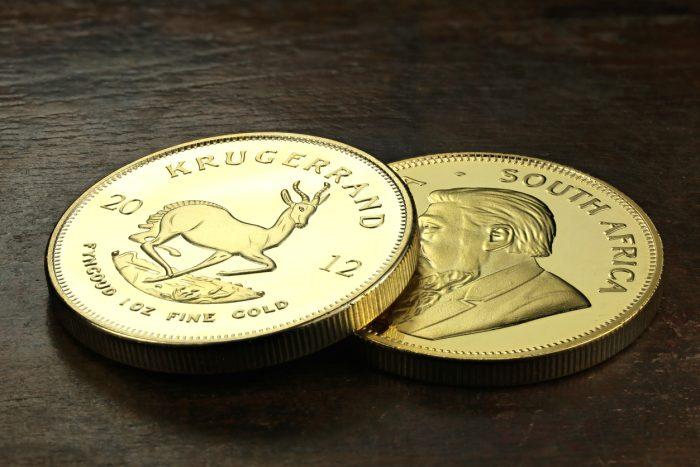
Investment gold coins
When you buy physical gold, you own a tangible asset outright. There is no intermediary between you and your investment, and no dependence on the solvency of a bank, fund, or broker.
For investors focused on security and control, physical gold investment is often the preferred option.
2. Paper Gold
Paper gold gives you exposure to the gold price without direct ownership of the metal. Common examples include:
Gold ETFs
Shares in gold mining companies
Other financial products linked to gold
This approach may offer convenience and liquidity, but it is important to understand the difference: you do not own physical bullion. You own a financial instrument whose value is connected to gold in some way.
For investors who prioritize independence and tangible ownership, this distinction matters.
What Determines the Price of Gold?
The gold price is influenced by several global economic factors, including:
Inflation expectations
Interest rate policy
Geopolitical uncertainty
Currency weakness, especially in the US dollar
Central bank buying
Investor demand for safe-haven assets
In general, when uncertainty rises, demand for gold often rises as well.
That is one reason why gold continues to attract attention in 2026.
Why Are Investors Buying Gold in 2026?
Protection Against Inflation
One of the main reasons people invest in gold is to protect purchasing power over time.
When currencies lose value, gold has often shown resilience. While it is not immune to price fluctuations, many investors still view gold as a long-term hedge against inflation.
Protection from Financial System Risk
Some investors want part of their wealth outside the banking system. Physical gold offers that possibility.
Unlike cash deposits or some financial products, physical bullion is not someone else’s liability. That makes it appealing during times of banking stress, market instability, or broader economic uncertainty.
Portfolio Diversification
Gold does not always move in the same direction as stocks, bonds, or property. Because of that, it can help reduce concentration risk within a portfolio.
For many investors, the role of gold is not to maximize returns. It is to improve balance.
Advantages of Investing in Gold
1. Tangible Asset
Physical gold is real, finite, and globally recognized. You are not buying a promise or an abstract financial product.
2. No Counterparty Risk
With physical gold, ownership does not depend on the performance or solvency of a third party. That is one of the strongest arguments in its favor.
3. Global Liquidity
Gold is one of the most widely traded assets in the world. Standard bars and bullion coins can usually be bought and sold relatively easily.
4. Long-Term Store of Value
Gold has been used as a store of wealth for centuries. Many investors include it in their portfolio for this reason alone.
5. Crisis Hedge
During periods of inflation, currency weakness, or geopolitical stress, gold often becomes more attractive to investors seeking stability.
Risks and Limitations of Gold Investment
1. Gold Does Not Produce Income
Unlike dividend stocks, bonds, or rental property, gold does not generate cash flow.
It does not pay:
interest
dividends
rent
Gold is primarily a preservation asset, not an income-producing asset.
2. Short-Term Price Volatility
Although gold is often considered stable over the long term, its market price can still fluctuate significantly in the short and medium term.
Investors looking for quick gains may find that gold does not behave the way they expect.
3. Storage and Security Requirements
If you invest in physical gold, you also need to think about how to protect it.
This may involve:
a home safe
private vault storage
insurance for additional protection
These practical factors are part of responsible gold ownership.
Common Mistakes to Avoid When Investing in Gold
Many first-time buyers make preventable mistakes. Here are some of the most important ones to avoid.
Buying Without Understanding Premiums
The price you pay for a gold product is usually higher than the spot gold price. That difference is called the premium.
Premiums vary depending on the product, brand, size, and market demand. Understanding them is essential, especially if resale value matters to you.
Buying from Unverified Sellers
Trust matters in precious metals. Investors should only buy from reputable dealers that offer transparency, authenticity, and clear terms.
Going All In on Gold
Gold can be a strong defensive asset, but concentrating too much of your portfolio in one asset class increases risk.
For most people, gold works best as part of a broader diversification strategy.
Ignoring Liquidity Differences
Not every gold product is equally easy to resell. Standard investment bars and widely recognized bullion coins tend to be more liquid than unusual or niche formats.
Is Gold Still a Good Investment in 2026?
The answer depends on your objective.
Gold may make sense if your goal is:
preserving wealth over the long term
protecting against inflation and currency erosion
reducing exposure to systemic financial risk
diversifying a portfolio with a defensive asset
Gold may be less suitable if your goal is:
generating passive income
chasing short-term gains
pursuing aggressive growth
In other words, gold is not typically a get-rich-quick asset.
It is a capital preservation asset.
In 2026, that distinction matters more than ever.
How Much Gold Should You Own?
There is no universal answer, because every investor has a different profile, objective, and tolerance for risk.
That said, many investors allocate a modest percentage of their portfolio to gold as a hedge rather than treating it as their entire strategy.
The key is balance. Gold should support your portfolio, not replace thoughtful diversification.
Gold Is About Protection, Not Speculation
Gold is not a trend, and it is not a shortcut to fast wealth.
Its real value lies elsewhere.
For many investors, gold acts as a form of financial insurance. It helps preserve purchasing power, diversify risk, and reduce dependence on fragile systems.
In a world where uncertainty has become normal, that role remains highly relevant.
Owning physical gold is often less about predicting the market perfectly and more about building a stronger foundation for the future.
Considering Physical Gold? Start With Trust
If you are thinking about adding gold to your portfolio, one of the most important decisions is not just when to buy, but where to buy.
At NOTREVOUTE, we focus on:
authentic, investment-grade gold
transparent pricing
a secure purchasing process
physical precious metals investors can buy with confidence
Whether you are exploring gold bars for investment or looking for a reliable way to diversify your holdings, trust and transparency should come first.
Take the time to research your options carefully and make sure your investment is built on something real.