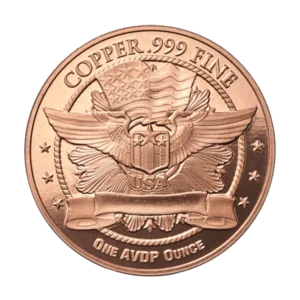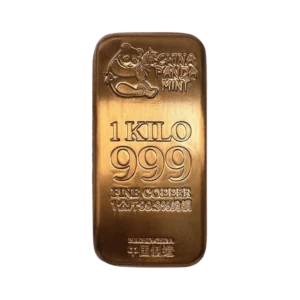
Live Copper Price Today
Live copper price in EUR. Track copper prices per kilogram, ton and per oz with historical charts, market trends, and key insights.
Copper Price Overview
Copper is one of the most widely used industrial metals in the world and plays a critical role in global economic activity. Often referred to as “Dr. Copper,” its price is closely watched as an indicator of industrial demand and overall economic health.
The price of copper is influenced by a combination of factors, including global manufacturing activity, infrastructure investment, supply constraints, and energy transition demand. Because copper is essential for electrical wiring, renewable energy systems, electric vehicles, and construction, shifts in these sectors can have a significant impact on market prices.
Unlike precious metals, copper prices are primarily driven by industrial consumption rather than investment demand. As a result, copper tends to be more sensitive to economic cycles, geopolitical developments, and changes in global supply chains.
Copper Price per Ounce and Gram
| Unit | Copper Price |
|---|---|
| 1 troy ounce | 0.31 € |
| 1 kilogram | 10.09 € |
| 1 ton | 10,086.42 € |
Copper Price Chart
Copper Price FAQ
The copper spot price represents the current market price for immediate delivery of refined copper. It reflects global supply and demand conditions and does not include fabrication premiums or transportation costs.
Copper prices are primarily set on international commodity exchanges and are influenced by industrial demand, mining output, inventory levels, and macroeconomic factors.
Copper prices can be volatile due to changes in global manufacturing activity, infrastructure investment, geopolitical events, and supply disruptions in major producing regions.
Copper is mainly an industrial metal rather than a traditional investment asset. However, its price is closely followed by investors as an indicator of economic growth and industrial demand.
Explore Copper Products
Prices displayed on this page are indicative and based on market data. Physical products are typically priced according to the current spot price plus fabrication premiums, distribution costs, and applicable taxes. Retail prices may differ from the spot price shown above.